
Empowering Waste TransformationEmpowering Waste TransformationEmpowering Waste Transformation
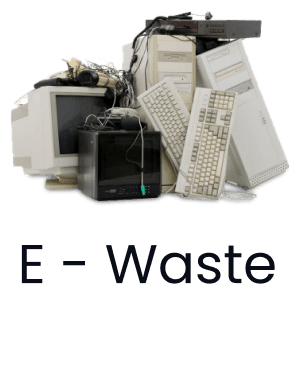
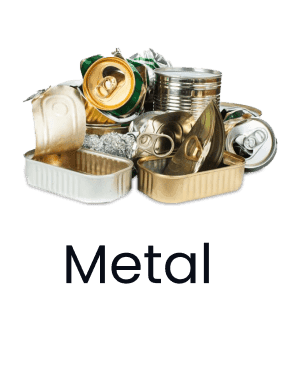
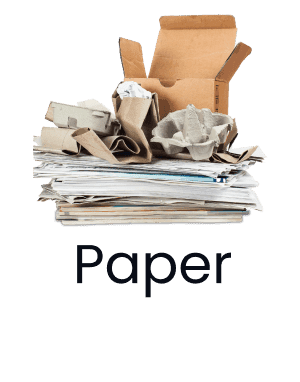
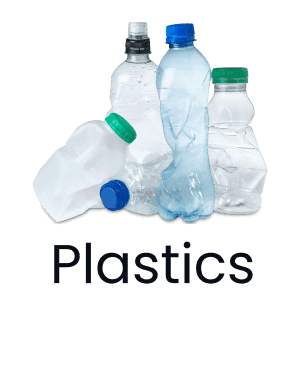
E-wasteMetal wastePaper wastePlastic waste

Waste Solutions

Waste Solutions

Recycling

Recycling

Awareness

Awareness

Circularity

Circularity

Reduction

Reduction

Sustainability

Sustainability

Waste Sol

Developing innovative waste management solutions to tackle environmental challenges and promote sustainability.

Recycling

Leading a recycling initiative to reduce waste and conserve resources for a greener tomorrow.

Awareness

Raising awareness about waste management within the community to foster a culture of environmental stewardship.

Circulari

Advocating for the adoption of circular economy principles to maximize resource efficiency and minimize waste generation.

Reduction

Implementing a waste reduction strategy to minimize environmental impact and promote responsible consumption.

Sustainab

Contributing to the development of sustainable waste management practices for a cleaner and healthier environment.

Waste management is a crucial aspect of environmental sustainability and public health. It encompasses the collection, transportation, processing, recycling, and disposal of waste materials in a manner that minimizes environmental impact and maximizes resource recovery. The need for effective waste management has become increasingly apparent as global populations grow, urbanization accelerates, and consumption patterns change.

One of the primary reasons for implementing waste management practices is to protect the environment. Improper disposal of waste can lead to pollution of land, water, and air, posing risks to ecosystems, wildlife, and human health. Landfills, where much of the world's waste ends up, emit greenhouse gases such as methane, contributing to climate change. Moreover, littered waste can disrupt natural habitats, harm marine life, and degrade scenic landscapes, diminishing the quality of life for communities.

Another compelling reason for waste management is the conservation of resources. Many materials that are discarded as waste, such as metals, plastics, and paper, can be recycled or reused in manufacturing processes. Recycling reduces the need for virgin raw materials, conserves energy, and decreases greenhouse gas emissions associated with extraction and production. By recovering valuable resources from waste streams, we can mitigate environmental degradation and promote a circular economy that minimizes waste generation.

By collectively committing to environmentally friendly practices, we can actively contribute to a cleaner planet.

Let's unite in our efforts to protect our environment and ensure a brighter future for all.